about the studio
I spent years moving between unfinished projects, failed ambitions, obsessive thought spirals, and isolated creative experiments before realising that fragmentation itself had become the centre of my artistic practice. My work emerged from long periods of social withdrawal, compulsive worldbuilding, underground creative culture, internet-era alienation, and a fascination with people who continued creating despite exhaustion, humiliation, or obscurity. Across poetry, theatre, fiction, comics, film, and zines, I explored emotional collapse, performative identity, masculinity, surreal humour, despair, and the strange intimacy that forms between outsiders trying to survive creatively.
I approached art less as self-expression and more as psychological excavation. I was interested in contradiction: grotesque comedy beside sincerity, philosophical thought experiments beside vulgarity, myth beside economic survival. Rather than separating mediums, I treated every project as part of a larger interconnected archive examining how people construct meaning, fantasy, and identity while navigating failure, loneliness, and the pressure to remain visible.
Solo Studio DNA
Playdead x Supergiant x Moon Studios x Megagon Industries x serendipity Point films x Triband x artscum x rooster teeth x SLG Publishing x gracious films x Elyasaf Shweka x Crabcat x electric ferret / Magnetic Ferret x A Couple ‘A Cowboys x Mike A. Livolsi x Don Hertzfeldt
My first ten current releases:
1. Illuxion — Poetry Collection
Illuxion is a thirty-year excavation of psychic debris, rage, romantic collapse, nihilism, social alienation, absurdity, and philosophical unease. The collection moves between intimate confession and theatrical confrontation, often treating emotion less as something to heal and more as something to dissect under harsh fluorescent light. Its poems are littered with ruined interiors, dead-end conversations, failed intimacy, ideological exhaustion, and grotesque humour. Violence is often emotional rather than physical: self-sabotage, failed ambition, envy, humiliation, longing. The voice oscillates between sincere despair and bitter parody, using thought experiments and surreal juxtapositions to destabilise the reader’s sense of moral comfort.
Coming soon to self-published via draft2digital aiming for Barnes and Noble – link will be here.
2. DfP — Novella One
DfP follows a fractured protagonist attempting to navigate the unstable overlap between memory, identity, creative ambition, and psychological collapse. Told through an unreliable lens that drifts between observation, confession, and emotional distortion, the novella gradually constructs a portrait of a man whose inner life has become increasingly detached from ordinary reality. Relationships blur into projections, environments feel haunted by unresolved tension, and every attempt at reinvention threatens to reproduce the same emotional failures.
Rather than relying on traditional plot mechanics, the novella builds atmosphere through psychological accumulation. Conversations become philosophical battlegrounds. Seemingly mundane interactions acquire an almost mythic emotional weight. The story explores the cost of self-awareness when it becomes pathological, examining how creative people can become trapped inside narratives of their own construction. Without revealing its deeper turns, DfP positions itself as both an intimate character study and a wider meditation on artistic paralysis, emotional dependency, and the instability of personal mythology.
It is literary cosmic noir and full title is Destined for Perfection, currently sending to agents and small presses.
3. Theatre Script — Orangutans, Monkeys, and Failed Cinema
Set almost entirely within a claustrophobic apartment, this theatrical work follows an emotionally exhausted filmmaker attempting to write what he believes will be the definitive work about screenwriting and artistic purpose. As his chronic depression and agoraphobia intensify, two surreal figures emerge within the space: an orangutan and a red monkey who alternately psychoanalyse, mock, interrogate, and philosophise about his life. The play moves fluidly between absurdist comedy and psychological excavation, with the animals functioning as fractured extensions of the protagonist’s own consciousness.
Flashbacks to film school, creative disappointments, social humiliation, and abandoned ambitions slowly reveal the emotional architecture that has trapped him inside his apartment. Rather than presenting mental illness naturalistically, the script externalises thought patterns through theatrical confrontation and symbolic dialogue. The result is a darkly comic chamber piece about artistic failure, intellectual vanity, loneliness, and the terrifying possibility that self-awareness may not actually produce change.
Title: “process” currently under consideration with Circa Theatre.
4. Short Film — Fragmented Monologue of a Violent Adolescence
This experimental short film reconstructs the life of a single protagonist through a series of overlapping monologues delivered by multiple performers. Each character functions less as an individual and more as a fractured interpretive lens examining the same central figure from contradictory emotional angles. Together they assemble a portrait of a young man caught between social charisma and intellectual disengagement, navigating a semi-violent high school environment shaped by masculine performance, insecurity, and institutional pressure.
The film deliberately destabilises chronology and identity. Memories bleed into one another, contradictions remain unresolved, and the protagonist’s own narrative authority is constantly undermined by competing perspectives. Beneath its abrasive surface lies an exploration of educational alienation, performative masculinity, and the strange emotional vacuum created when social success masks profound internal disconnection. The monologue structure transforms ordinary recollection into something closer to communal confession or mythic testimony.
title: “prologue” currently in script development and pre-production as a tiny-budget short video film – I’m producing it myself.
5. Surrealist Webcomic — Beauty and the Beast Reimagined
The first strip of this comic series reinterprets fairy-tale structure through grotesque satire, social discomfort, queer absurdity, and emotionally sincere character dynamics. Its opening strip introduces a deeply unconventional variation on Beauty and the Beast: the “beast” is an overweight, socially alienated incel figure, while “beauty” is a confident drag queen whose emotional intelligence and theatricality destabilise every expectation embedded within the archetype. The humour emerges not from cruelty but from the awkward sincerity of their connection.
Across the wider series, surrealist logic replaces conventional morality. Characters drift between exaggerated social archetypes, grotesque body comedy, internet-age loneliness, fantasy symbolism, and moments of genuine tenderness. Rather than parodying outsiders from a distance, the comic treats alienation as a universal condition distorted by modern identity performance. Its tone moves unpredictably between vulgar comedy, philosophical dialogue, emotional vulnerability, and dreamlike visual absurdity.
currently in development as “Awkward Dragonspeaker 1” for the website.
6. Time-Phasing Military Comic
In a future dominated by corporate militarisation, private military contractors engage in covert operations across human history using time-phasing technology derived from synthetic compounds extracted from dragon blood. These “phasing pills” allow operatives to move through unstable historical fractures, stealing technological breakthroughs, manipulating geopolitical outcomes, and constructing monopolistic futures through temporal interference. The comic combines cyberpunk aesthetics, conspiracy fiction, alternate history, and fantasy bioengineering into a deliberately chaotic speculative mythology.
At its core, however, the series is less about action than systemic decay. Historical eras become resources to exploit, warfare becomes subscription infrastructure, and mythological biology becomes intellectual property. Characters are forced to navigate overlapping loyalties between corporations, timelines, ideology, and survival. The comic uses its genre premise to interrogate privatisation, technological acceleration, militarised capitalism, and the erosion of historical truth itself.
aiming for Image Comics.
7. Time-Phasing Novella
Expanding upon the comic’s universe, the novella version explores the psychological and political consequences of temporal exploitation in greater depth. While the comic emphasises spectacle and momentum, the prose narrative slows down to examine the emotional cost of participating in a civilisation built upon engineered historical theft. Operatives suffer identity destabilisation from repeated timeline exposure, memory contamination, and conflicting versions of reality that refuse to fully reconcile.
in final draft mode right now, submission to agents and small presses following novella 1.
8. Feature Screenplay — Expanded Monologue Film
Building upon the short film’s fragmented structure, this feature-length screenplay develops its central protagonist into a far more expansive study of masculinity, memory, violence, class frustration, and social performance. Told largely through interconnected monologues, overlapping recollections, and shifting subjective testimony, the screenplay follows a man attempting to reconstruct the emotional logic of his adolescence while confronting the long-term consequences of emotional repression and performative identity.
Designed as a micro-budget feature, the film relies heavily on language, atmosphere, performance, and psychological tension rather than spectacle. The screenplay occupies a space somewhere between confessional theatre, social realism, and psychological essay film, using fragmented storytelling to explore how identity is collectively manufactured through memory, storytelling, and shame.
currently in final draft mode, and soon to submit to directors and agents for consult/collaboration potential.
9. Zine One — Coffee-Fueled Conversations
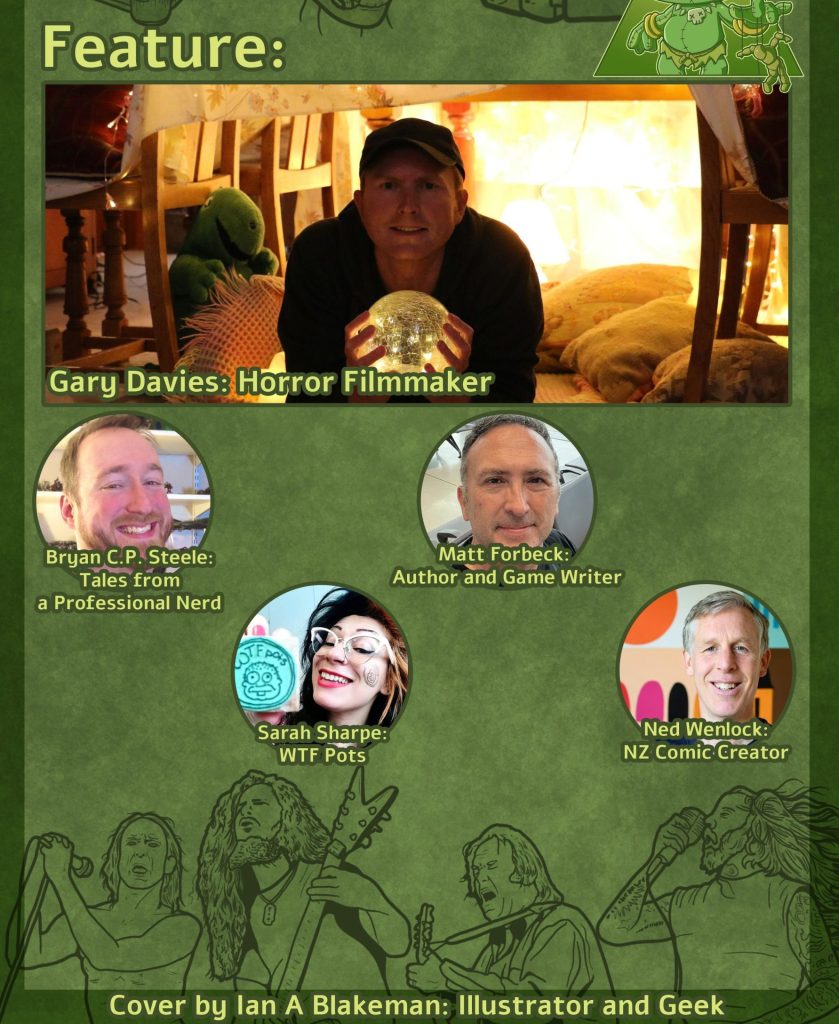
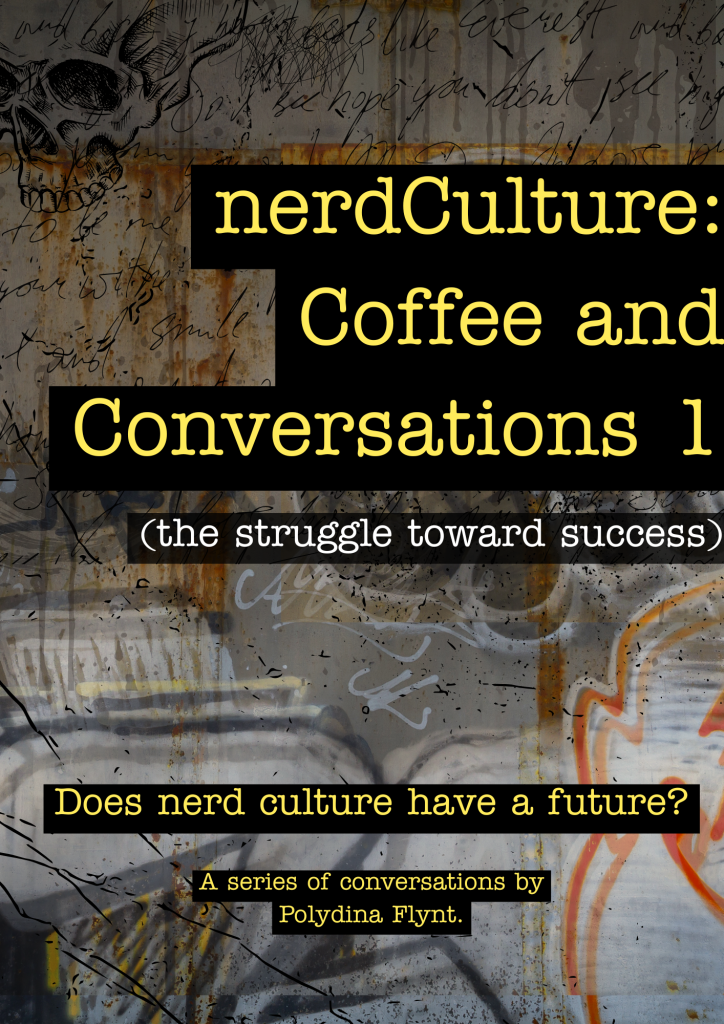
This roughly 400-page zine anthology documents longform conversations with sixteen figures connected to nerd culture businesses, creative industries, and independent artistic practice. Structured less like conventional interviews and more like sprawling café-table discussions, the project focuses on process, burnout, failure, pricing anxiety, community-building, survival strategies, and the practical realities of sustaining creative work under unstable economic conditions. Subjects discuss everything from production pipelines and customer expectations to pandemic disruption and emotional exhaustion.
Rather than mythologising success, the zine is interested in the hidden infrastructure beneath creative careers: awkward beginnings, failed launches, improvised solutions, emotional resilience, and slow accumulation over time. The conversational format preserves tangents, contradictions, humour, and vulnerability, creating a document that feels closer to oral history than polished journalism. Across its sixteen subjects, the anthology becomes both a cultural snapshot of contemporary independent creativity and a collective survival manual for artists attempting to build meaningful work within precarious systems.
10. Monster + Scribbler (indie video game)
Monster Plus Scribbler is a four-year independent video game project blending surreal fantasy, emotional storytelling, tactile combat, and experimental worldbuilding into a story-driven action adventure. Inspired by the cinematic atmosphere of Another World and Limbo, the physical combat of Golden Axe, and the strange handcrafted identity of Armikrog, the game explores themes of identity, exile, parenthood, survival, and transformation through a deeply original mythic setting.
The project combines puzzle-platforming, spellcraft systems, environmental storytelling, creature ecology, and symbolic narrative design with a strong focus on atmosphere and emotional immersion. Players learn spells through movement, rhythm, experimentation, and ritual rather than traditional menus, creating a more physical relationship between the player and the world itself.
Developed outside traditional studio structures, Monster Plus Scribbler represents an evolving transmedia universe shaped through years of writing, systems experimentation, visual development, and independent creative research.
A Wellington-based creative social circle built around honest conversation, mutual encouragement, and long-term artistic growth. The meetup is intentionally small and focused, with only four participant slots available per night across two annual gatherings. This creates a calm, intimate atmosphere where every person has space to speak openly about their creative process, personal journey, successes, failures, and the realities of sustaining artistic work over time.
The circle is designed for creatives who share a similar outlook and energy — people interested in meaningful discussion rather than networking performances or self-promotion. Writers, filmmakers, musicians, visual artists, designers, game developers, performers, and independent creators are all welcome if they contribute positively to the environment and genuinely care about creative development and community.
Each session runs for several hours in person somewhere within Wellington, allowing conversations to unfold naturally rather than feeling rushed or transactional. Topics may include discipline, burnout, unfinished projects, experimentation, publishing, exhibitions, audience-building, creative identity, mental resilience, collaboration, and balancing art with everyday life. The aim is not competition, but solidarity: creating a dependable support network where creatives can exchange insight, celebrate progress, and stay motivated through difficult periods.
The project is intentionally scalable. While the core format remains small and curated, additional circles, workshops, collaborative spaces, retreats, or mentorship structures could grow from the original model over time. The long-term vision is to develop a sustainable creative ecosystem built on trust, consistency, shared ambition, and genuine camaraderie.
At its heart, the social circle exists to remind creatives that they do not have to build their artistic lives entirely alone.
One of the reasons historic collectives succeeded was because they balanced shared life with private retreat. The cafés of Paris were alive with debate and movement, but artists still returned to small rooms where they could think, write, sketch, or simply recover from the intensity of social life. The same tension existed within the Beat circles: long nights of conversation followed by solitary stretches of creation. A healthy collective is not permanent noise. It is rhythm. Gathering and dispersing. Discussion and silence. Communal energy and private concentration.
In a modern creative commune, this balance becomes essential. The workshops and dining spaces may form the social heart of the building, but the sleeping rooms remain deliberately quiet and personal. One room per person. No forced dormitory atmosphere. No constant interruption. The room functions almost like a monk’s cell or a ship cabin: a place to sleep, think, read, and regain clarity. Creative people often require periods of decompression after intense collaboration, and privacy protects the long-term stability of the community. The collective should encourage encounter, not surveillance.
The shared spaces themselves would reflect another principle often neglected in romantic visions of artistic communes: cleanliness and maintenance are forms of respect. The woodshop, metal shop, prop studio, film rooms, and miniature workshops would be carefully organised and kept clean. Not sterile in the corporate sense, but orderly enough that tools remain usable, floors remain safe, and work can continue without chaos swallowing the environment. Some of the greatest workshops in history operated almost like laboratories or guild halls. Clean tools signal seriousness. They tell newcomers that the space is alive and functional rather than decaying into neglect.
This practical discipline separates sustainable collectives from temporary bohemian collapse. The myth of the “messy genius” often hides disorganisation, wasted materials, broken tools, and exhausted people. A functioning creative environment respects craft enough to maintain the conditions required for good work. Sweeping a floor, cataloguing props, oiling machinery, or organising lumber becomes part of the culture itself. The building is not merely occupied; it is cared for.
The structure of mentorship inside the commune would also matter deeply. Rather than functioning as a rigid hierarchy, the space could begin with a founding creative director or curator who establishes the tone, standards, and artistic direction of the environment. The role is not simply managerial. It is atmospheric. Curating tools, conversations, projects, aesthetics, and values. Deciding what kinds of energy belong in the space and what kinds slowly erode it.
From there, the collective evolves through apprenticeship. One particularly capable intern or assistant — someone curious, disciplined, generous, and quick to learn — gradually absorbs practical knowledge across multiple workshops. Instead of remaining permanently dependent on the founder, they eventually begin teaching others basic processes and maintaining continuity within the studios. This creates an organic transfer of culture. Skills move horizontally through the community instead of bottlenecking around one central figure.
Historically, many artistic movements depended on precisely this structure. Medieval guilds, theatre troupes, film crews, ateliers, and workshops all survived because experienced members passed techniques onward while still continuing their own creative practice. Teaching was not separate from making. It existed beside it. A prop-maker might teach mould-making in the afternoon and return to sculpting creatures at night. A cinematographer might guide someone through lighting setups before working on an experimental short film of their own.
This also protects the founder from becoming trapped in administration. The original creator can step back into personal work while remaining embedded within the life of the commune itself. That balance is important. The founder remains present — eating in the dining room, contributing ideas, building projects, occasionally mentoring — but does not become a permanently exhausted overseer. The community gradually develops its own internal intelligence.
The architecture of the place reinforces this philosophy. The noisy spaces cluster together: workshops filled with machinery, editing suites, prop rooms, miniature cities under construction, costume racks, film sets, sound experiments. Then the building softens into quieter transitional areas: libraries, reading corners, long corridors, small tea rooms. Finally, the private sleeping rooms sit apart in relative silence. A person can move between stimulation and stillness depending on what their work requires.
Meals remain central because they preserve collective identity without enforcing constant interaction. People may work at different hours and on entirely different disciplines, yet they continue crossing paths around food. The dining room becomes less like a cafeteria and more like an evolving salon. Conversations drift between practical engineering problems, story ideas, philosophy, cinema, folklore, architecture, mythology, and daily life. Some people speak constantly; others mostly listen. Both become part of the ecology.
The ultimate strength of such a place is not merely productivity. It is continuity. Most artists today create in fragmented isolation, moving between rented rooms, unstable jobs, and online platforms that rarely produce deep community. A well-designed collective offers something increasingly rare: sustained creative atmosphere over years rather than weeks. Skills accumulate. Shared language develops. Traditions form. Workshops gain memory.
Eventually the building itself becomes a kind of living artwork — not because it is perfect, but because generations of projects, conversations, and handmade objects leave traces behind. The clean studio floor, the quiet private room, the communal meal, the half-finished prop in the workshop, the apprentice teaching someone new: these ordinary repeated acts are what transform a building into a genuine creative culture.